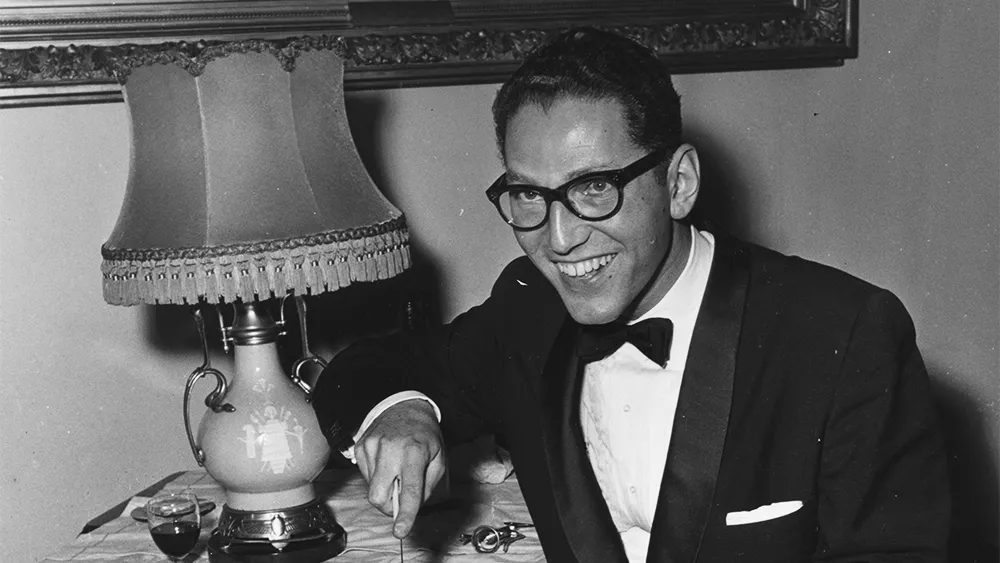
Introduction: Who Is Tom Lehrer and Why Does He Matter in 2025?
Tom Lehrer is one of the most unique figures in 20th-century American culture. A Harvard-trained mathematician turned satirical musician, Lehrer rose to prominence in the 1950s and 1960s with sharp, witty songs that skewered politics, education, and social issues. Even though he retired from public performances decades ago, his influence continues to echo through generations of comedians, musicians, and educators.
In this article, we explore everything from his early life to his musical legacy, academic achievements, and surprising online resurgence. Whether you’re a longtime fan or just discovering him, this comprehensive profile delivers all you need to know about Tom Lehrer.
Early Life and Academic Background
A Prodigy in Mathematics
Tom Lehrer was born on April 9, 1928, in New York City. His early intellectual brilliance was evident from a young age. By the time he was 15, Lehrer was already studying mathematics at Harvard University. He would go on to earn his master’s degree in mathematics and eventually teach at MIT, Harvard, and the University of California.
Although math was his formal discipline, his creative mind soon found another outlet—music.
From Ivory Towers to Music Halls: Lehrer’s Musical Breakthrough
“Songs by Tom Lehrer” (1953)
Lehrer’s first album, Songs by Tom Lehrer, was recorded in 1953. It was produced privately and sold through mail-order, an unusual model for the time. Still, the album gained a cult following among students and intellectuals.
His songs combined musical sophistication with scathing satire. With titles like “The Old Dope Peddler” and “Be Prepared,” he challenged social norms and poked fun at authority.
Key Focus Keywords:
- Tom Lehrer songs
- Tom Lehrer satire
- Tom Lehrer albums
- Political satire music
- Mathematician musicians
Rise to Fame: The 1960s and Cold War Satire
“That Was the Year That Was” (1965)
The 1960s were a golden period for Tom Lehrer. His album That Was the Year That Was, based on a television show of the same name, tackled topics like the Vietnam War, pollution, racism, and religion.
Notable Songs:
- “The Vatican Rag”
- “Pollution”
- “So Long, Mom (A Song for World War III)”
- “Who’s Next?”
- “National Brotherhood Week”
Each track delivered biting commentary wrapped in catchy, Broadway-style arrangements. Lehrer’s ability to use humor as a weapo n for truth made him a cultural force.