Background and Evolution of Japan’s Trade Policies
Japan has long prioritized economic alliances. Initially focusing on bilateral agreements, it has recently leaned toward multilateral deals. Notably, the Comprehensive and Progressive Agreement for Trans-Pacific Partnership (CPTPP) and the Japan-EU Economic Partnership Agreement (EPA) are landmark pacts. These agreements have lowered tariffs and increased Japan’s influence in global markets.
Key Benefits of the Japan Trade Deal
1. Tariff Reductions
One of the most significant outcomes is reduced import and export tariffs. This has led to lower consumer prices and increased product availability across borders.
2. Market Expansion
Japanese companies now enjoy broader access to foreign markets. Consequently, exports have surged in sectors like automotive, electronics, and agriculture.
3. Economic Stability

These agreements promote stability. Long-term partnerships with multiple countries reduce risks caused by political uncertainty or market volatility.
How It Affects Other Countries
Partner nations benefit from favorable trade terms. For example, American and European companies have greater access to Japan’s vast consumer base. Moreover, agricultural exporters from Australia and Canada gain easier entry into the Japanese market.
Digital Trade and Innovation
Digital services are a core part of the Japan Trade Deal. Rules now support secure data transfer, reduced digital taxes, and consumer privacy. These improvements encourage tech innovation and startup growth across the region.
Environmental and Labor Standards
Unlike older agreements, the new trade deals prioritize sustainability. They include strict labor laws and green energy commitments. As a result, trade becomes not just profitable but also responsible.
Challenges and Controversies
Not everything is smooth. Critics argue that local industries may suffer from increased foreign competition. Furthermore, small businesses sometimes struggle to meet regulatory demands.
Nonetheless, governments are addressing these concerns. Through subsidies and training, they aim to level the playing field for all.
The Role of the United States and Europe
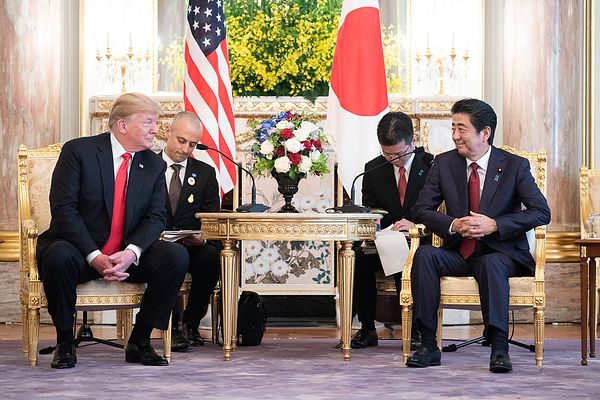
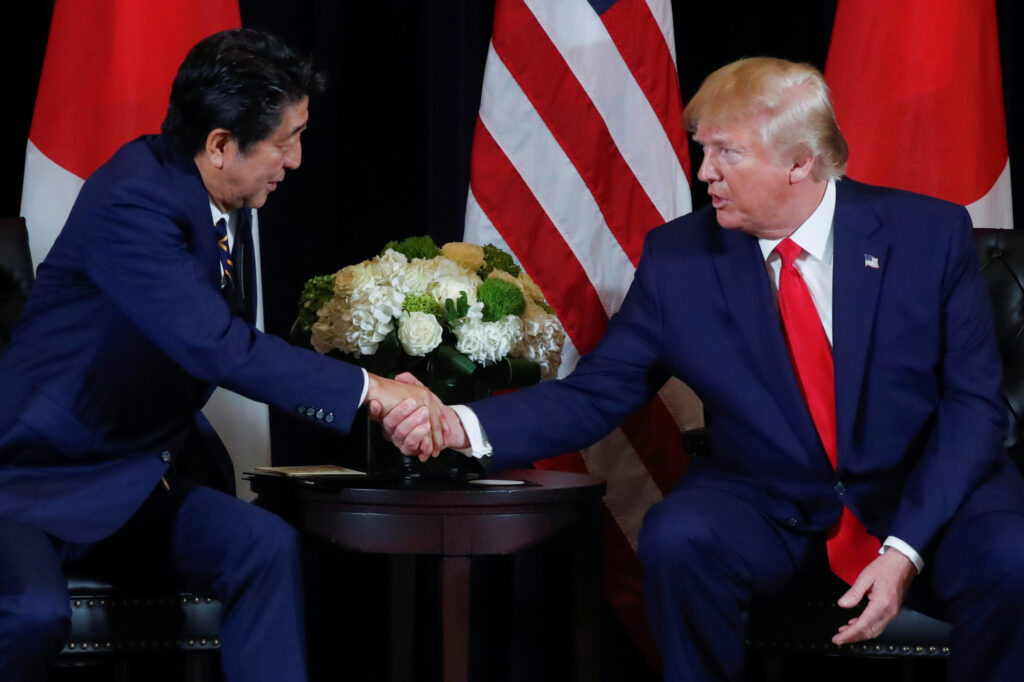
The U.S. and EU play a significant part in Japan’s trade network. With agreements like the U.S.-Japan Digital Trade Agreement and the Japan-EU EPA, global cooperation has intensified. This not only fosters economic growth but also strengthens diplomatic ties.
Future Outlook of Japan’s Trade Landscape
Japan continues to seek new partnerships. It is actively exploring deals with emerging markets in Africa, South Asia, and Latin America. As these efforts progress, Japan’s role in global trade is set to grow even further.
Frequently Asked Questions (FAQs)
Q1: What sectors benefit the most from the Japan Trade Deal?
A: Automotive, agriculture, electronics, and digital services see the greatest gains.
Q2: How does it affect consumers?
A: Consumers enjoy lower prices, more product choices, and improved quality.
Q3: Is the Japan Trade Deal environmentally friendly?
A: Yes. The deals include eco-conscious policies and labor protections.
Q4: Will small businesses benefit?
A: With support programs, small enterprises can access new markets and resources.
Q5: What’s next for Japan’s trade strategy?
A: Japan aims to form new alliances with emerging economies to expand its global footprint.
Conclusion: A New Era of International Trade
The Japan Trade Deal marks a significant shift in global commerce. By fostering innovation, ensuring fairness, and boosting cooperation, it paves the way for a brighter economic future. As countries align with Japan, global trade becomes smarter, more sustainable, and widely accessible.