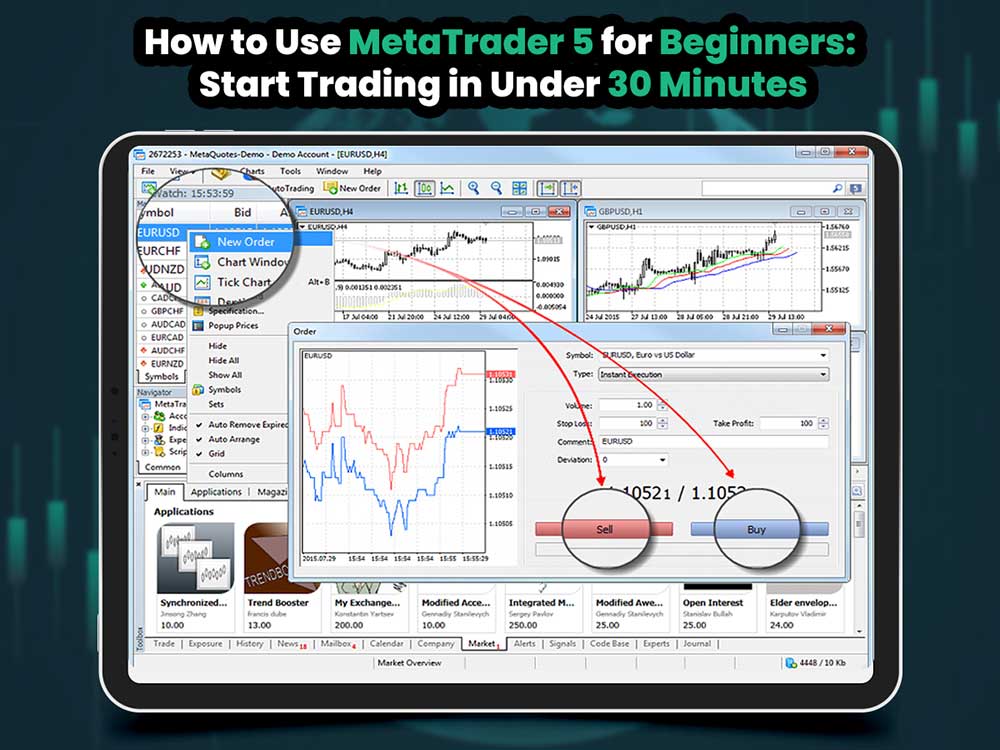
Trading refers to buying and selling financial assets like stocks, crypto currencies, forex, or commodities with the goal of making a profit.
How to Start Trading: Step-by-Step Guide
- Choose Your Market
- Decide what you want to trade: stocks, crypto, forex, or commodities.
- Learn the Basics
- Understand key concepts like buy/sell orders, charts, candlesticks, and risk management.
- Pick a Reliable Trading Platform
- For stocks: Robinhood, eToro, Interactive Brokers
- For crypto: Binance, Coinbase, KuCoin
- For forex: MetaTrader, OANDA, FXTM
- Create an Account
- Register, complete KYC (identity verification), and link your payment method or wallet.
- Start with a Demo Account (Optional)
- Many platforms offer practice trading with fake money to help you learn without risk.
- Fund Your Account
- Deposit money or crypto to start trading.
- Develop a Strategy
- Choose your style: day trading, swing trading, or long-term investing.
- Start Trading Small
- Place your first trade with a small amount and monitor the results.
- Manage Your Risks
- Use stop-loss orders, never trade more than you can afford to lose.
- Track Your Performance
- Review trades and learn from your mistakes.
Tips for Beginners Starting Their Trading Journey
1. Start with Education, Not Emotion
- Many new traders jump into the market hoping to get rich quick.
- Instead, take time to read trading books, watch tutorials, or take online courses.
- Focus on understanding trends, market psychology, and technical analysis.
2. Avoid Overtrading
- One of the biggest mistakes beginners make is trading too often or chasing the market.
- Instead, wait for clear signals and only enter trades that meet your strategy criteria.
3. Keep a Trading Journal
- Record every trade: why you entered, when you exited, and what you learned.
- This helps you spot patterns, track performance, and improve over time.
4. Diversify, Don’t Gamble
- Don’t put all your money into one asset (e.g., one stock or coin).
- Spread your capital across different assets or sectors to reduce risk.
5. Stay Updated with Market News
- Use news platforms like Bloomberg, CoinDesk, or Investing.com to follow trends and announcements that affect prices.
- Economic reports, interest rates, and political news can impact markets dramatically.
Common Questions About Starting Trading
Q: Do I need a lot of money to start trading?
A: No. Many brokers allow you to start with as little as $10–$100, especially in crypto and forex.
Q: Is trading risky?
A: Yes. Trading involves financial risk. That’s why it’s important to start small and learn first.
Q: How long does it take to learn trading?
A: It varies. Some basics can be learned in a few weeks, but mastering trading takes months or years.
Q: What should I trade as a beginner?
A: Many beginners start with crypto or stock trading, as these markets are easier to access.
Basic Terms Every Trader Should Know
| Term | Meaning |
| Buy (Long) | Expecting the price to go up |
| Sell (Short) | Expecting the price to go down |
| Stop-Loss | An automatic order to limit your loss if the market goes against you |
| Take-Profit | An order to close the trade once a target profit is reached |
| Volume | How much of the asset is traded over a period |
| Volatility | The degree of price fluctuations |
| Support/Resistance | Key levels where prices often bounce or reverse |
Mistakes to Avoid When Starting Trading
- ❌ Trading without a plan
- ❌ Letting emotions drive decisions (fear/greed)
- ❌ Ignoring risk management
- ❌ FOMO (Fear of Missing Out) buying during market hype
- ❌ Not setting stop-loss orders
Final Advice
Trading is not a get-rich-quick scheme. It requires discipline, patience, and constant learning. Start small, build your strategy, and grow over time. Even the best traders lose sometimes — the key is to manage risk and stay consistent.