Protein and Muscle Growth Explained
Protein is essential for muscle development. When you lift weights or do resistance training, your muscles break down. Protein helps repair and grow them stronger. But how much protein is enough? Too little won’t help you grow. Too much could strain your body and budget.
This guide answers the most important question: how much protein to build muscle effectively, safely, and naturally. Let’s break it all down in a simple and practical way.
Why Protein Is Critical for Building Muscle
Protein contains amino acids—the building blocks of muscle tissue. Without adequate protein, your body can’t repair muscle damage caused by training. Instead of growing, your muscles might even shrink.
Benefits of Proper Protein Intake:
- Increases muscle mass
- Enhances recovery speed
- Reduces muscle soreness
- Supports strength gains
- Helps with fat loss and lean mass retention
How Much Protein Do You Need Per Day to Build Muscle?
The amount of protein you need depends on several factors:
- Body weight
- Training intensity and frequency
- Fitness goals (bulk, cut, maintenance)
- Body composition (lean vs. obese)
General Guideline:
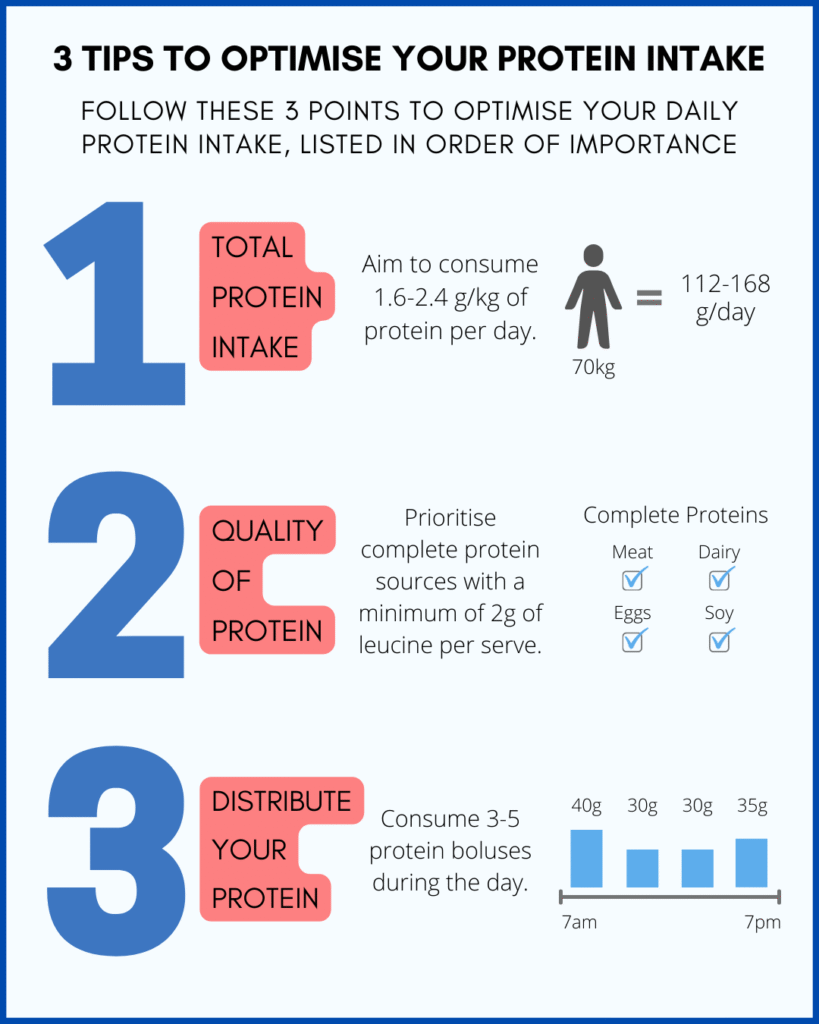
1.6 to 2.2 grams of protein per kilogram of body weight per day
OR
0.7 to 1.0 grams per pound of body weight
This range is based on extensive research in sports nutrition. For example, a 75 kg (165 lb) person should consume 120 to 165 grams of protein per day for optimal muscle building.
Protein Needs by Training Type
Different training styles demand different amounts of protein.
| Training Type | Protein Needed (g/kg/day) | Example (75kg person) |
| Light training | 1.2 – 1.4 | 90 – 105g |
| Moderate lifting | 1.6 – 2.0 | 120 – 150g |
| Intense bodybuilding | 2.0 – 2.5 | 150 – 190g |
| Cutting (fat loss) | 2.2 – 3.0 | 165 – 225g |
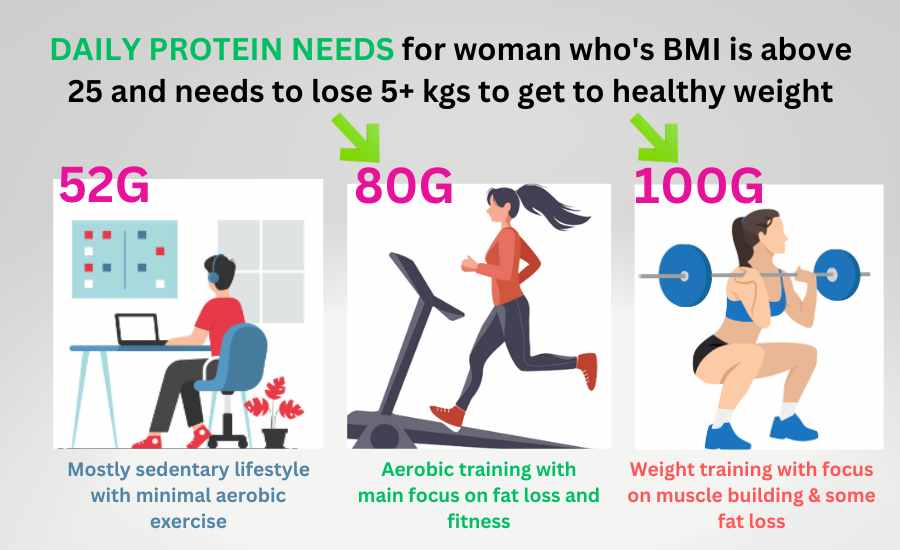
During fat loss, protein requirements go up to preserve lean muscle.
When to Eat Protein for Best Results
Timing matters. Spreading protein across meals helps maximize muscle protein synthesis (MPS).
Optimal Strategy:
- Every 3-4 hours: Eat 25–40g of protein per meal
- Post-workout: Consume 20–30g within 60 minutes
- Before bed: A slow-digesting protein like casein helps overnight recovery
Best Sources of Protein for Muscle Growth
Animal-Based:
- Chicken breast
- Lean beef
- Eggs
- Turkey
- Greek yogurt
- Fish (salmon, tuna, cod)
- Whey and casein protein powders
Plant-Based:
- Lentils
- Tofu
- Tempeh
- Chickpeas
- Quinoa
- Edamame
- Vegan protein powders (pea, rice, soy)
Tip: Combine multiple plant sources to get complete amino acid profiles.
Common Myths About Protein and Muscle
Myth 1: More Protein = More Muscle
Wrong. After a point, excess protein doesn’t boost muscle gains. Your body uses what it needs and excretes the rest.
Myth 2: You Need Protein Every Hour
Not necessary. Spacing protein throughout the day is more effective than constant intake.
Myth 3: You Can’t Build Muscle on a Vegan Diet
You can. You just need a balanced approach to meet amino acid needs.
How to Track Your Protein Intake
Use apps like:
- MyFitnessPal
- Cronometer
- Macros+
- FitBit app (with food tracking)
Track everything—meals, snacks, shakes—to stay consistent.
Sample Meal Plan for Muscle Growth (150g Protein Target)
Breakfast:
- 3 scrambled eggs
- 2 slices whole-grain toast
- 1 cup Greek yogurt
➡️ Approx. 35g protein
Lunch:
- Grilled chicken breast
- Brown rice
- Steamed broccoli
➡️ Approx. 40g protein
Snack:
- Whey protein shake
- Banana
➡️ Approx. 30g protein
Dinner:
- Salmon fillet
- Sweet potato
- Mixed greens
➡️ Approx. 35g protein
FAQs: Protein for Muscle Building
Can you build muscle without eating meat?
Yes, as long as you get enough total protein from varied sources like tofu, legumes, and vegan protein powders.
Is it safe to consume over 200g of protein per day?
Yes, for healthy individuals, high-protein diets are generally safe if balanced with water and proper micronutrient intake.
How much protein should women eat to build muscle?
The same rule applies: 1.6–2.2g per kg of body weight. Gender doesn’t significantly change protein requirements.
What happens if I don’t eat enough protein?
You’ll struggle to gain muscle, recover slowly, and may even lose lean mass.
Should I use protein shakes?
Yes, if you struggle to meet your daily protein through food alone. They’re convenient and effective.
Conclusion: Eat Smart to Grow Strong
To build muscle, eating enough high-quality protein consistently is non-negotiable. Stick to 1.6–2.2g/kg of body weight, time your intake well, and choose nutrient-rich foods. Don’t fall for myths or overcomplicate things.
Track your intake, train hard, sleep well—and the results will come. Whether you’re bulking, cutting, or maintaining, protein is the foundation of lean muscle growth.