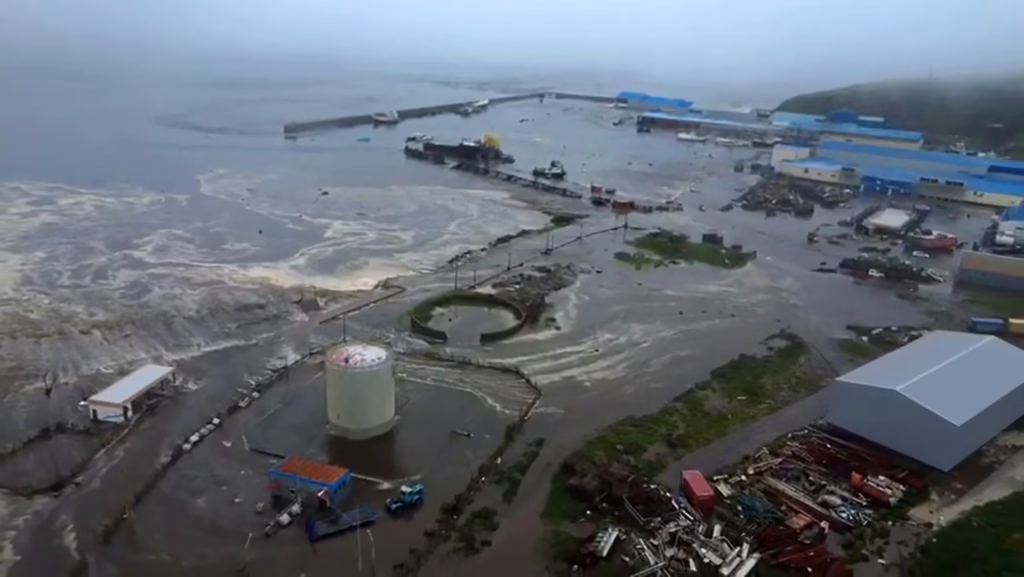
Hawaii’s Geographical Vulnerability to Earthquakes and Tsunamis
Hawaii’s breathtaking landscapes and tropical climate often mask a critical truth—the state is among the most geologically volatile regions in the world. Surrounded by the vast Pacific Ocean and sitting atop a chain of volcanic hot spots, Hawaii is highly susceptible to both earthquakes and tsunamis. These natural disasters pose significant threats not only due to their unpredictability but also because of the potential devastation to coastal communities, infrastructure, and human lives.
In this detailed guide, we examine the causes and risks of earthquake and tsunami warnings in Hawaii, how warning systems work, what to do before, during, and after a disaster, and how residents and tourists can stay safe and informed.
Focus Keyword: earthquake tsunami warnings Hawaii
Understanding Earthquakes in Hawaii
Why Do Earthquakes Happen in Hawaii?
Hawaii experiences hundreds of earthquakes each year, most of them minor. However, the islands also witness moderate to strong seismic events, primarily caused by volcanic activity and tectonic movement.
Two primary causes include:
- Volcanic tremors, especially around Mauna Loa and Kilauea
- Tectonic shifting between the Pacific Plate and the volcanic hot spot beneath the island chain
Historical Earthquakes in Hawaii
- 1975 Kalapana Earthquake: Magnitude 7.7 — triggered a local tsunami and caused significant coastal damage.
- 2006 Kīholo Bay Earthquake: Magnitude 6.7 — caused island-wide blackouts and infrastructural damage.
- 2018 Kīlauea Eruption Earthquakes: Hundreds of tremors accompanied the massive eruption, affecting thousands.
These events highlight the urgent need for efficient earthquake warning systems in Hawaii.
Tsunamis: Hawaii’s Coastal Threat
What Triggers Tsunamis in Hawaii?
Tsunamis in Hawaii can be locally generated by nearby underwater earthquakes or distantly generated, especially from seismic activity in regions like:
- Chile
- Japan
- Alaska
- Indonesia
Notable Tsunamis Affecting Hawaii
- 1946 Aleutian Islands Tsunami: Killed 159 people in Hawaii. The devastation prompted the creation of the Pacific Tsunami Warning Center.
- 1960 Chile Earthquake Tsunami: Travelled over 15 hours across the Pacific, leading to 61 deaths in Hilo, Hawaii.
- 2011 Japan Earthquake Tsunami: Though not fatal in Hawaii, it caused over $30 million in property damage and prompted widespread evacuations.
The Role of the Pacific Tsunami Warning Center (PTWC)
How It Works
The Pacific Tsunami Warning Center (PTWC), headquartered in Ewa Beach, Oahu, plays a central role in detecting and issuing tsunami warnings across the Pacific basin. PTWC uses:
- Seismic data
- Deep-ocean tsunami detection buoys (DART systems)
- Tide gauges and satellite communication systems
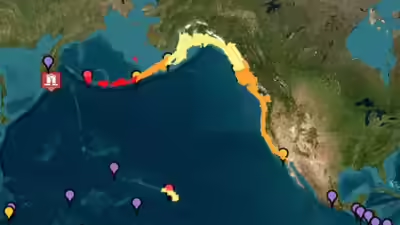
Types of Alerts Issued by PTWC
- Tsunami Watch: A potential tsunami has been detected. Be alert.
- Tsunami Advisory: Small tsunami waves may impact coastal areas.
- Tsunami Warning: A dangerous tsunami is imminent. Immediate evacuation recommended.
How Hawaii Issues Earthquake and Tsunami Warnings
Hawaii Emergency Management Agency (HI-EMA)
HI-EMA is responsible for coordinating statewide emergency alerts. They utilize:
- Wireless Emergency Alerts (WEA)
- Emergency Alert System (EAS) broadcasts
- Outdoor warning sirens
- Nixle SMS alerts
- Local television and radio stations
Statewide Outdoor Siren System
Hawaii is the only U.S. state with an extensive outdoor tsunami siren network, tested monthly. A steady tone indicates tsunami threats, while a wailing tone is for other emergencies.
What to Do During an Earthquake in Hawaii
- Drop, Cover, and Hold On
Drop to the ground, take cover under sturdy furniture, and hold on until the shaking stops. - Stay Indoors if Safe
Avoid running outside during shaking unless you’re near the coast and need to evacuate. - Move to Higher Ground if Near the Ocean
If the shaking is severe or lasts more than 20 seconds, evacuate vertically or inland.
Tsunami Evacuation Procedures in Hawaii
- Know Your Zone
Use Hawaii’s Tsunami Evacuation Maps to determine if you’re in a risk area. - Heed Official Alerts
Do not wait for visual confirmation of tsunami waves. Follow instructions immediately. - Go to High Ground or Vertical Evacuation Areas
Elevation is the best protection. Move 100 feet above sea level or inland at least one mile. - Bring Emergency Kits
Carry essentials: food, water, flashlights, first aid kits, and important documents.
How Tourists Can Stay Informed
Tourism accounts for a significant portion of Hawaii’s economy, and ensuring visitor safety during seismic events is critical.
- Hotels often provide emergency instructions in rooms.
- Airports and resorts participate in statewide tsunami drills.
- Visitor Alert Systems: Tourists can opt into WEA or download HNL Info, a free emergency alert app.
Long-Term Preparedness Tips
Build an Emergency Kit
Include:
- At least 7 days’ worth of food and water
- Flashlight, radio, and extra batteries
- Copies of IDs and insurance
- Prescription medications
Create a Family Communication Plan
Ensure all household members know:
- Meeting points
- Emergency contact numbers
- Evacuation routes
Retrofit and Reinforce
Strengthen your home against seismic activity by securing shelves, water heaters, and using flexible gas connections.
Frequently Asked Questions (FAQs)
Does Hawaii get a lot of earthquakes?
Yes. While most are small, Hawaii regularly experiences seismic activity due to volcanic and tectonic processes.
How will I know if a tsunami is coming in Hawaii?
Official alerts come via sirens, mobile phones, TV, radio, and apps. The PTWC and HI-EMA coordinate these warnings.
Can a local earthquake cause a tsunami in Hawaii?
Yes. Earthquakes near the Hawaiian coast, especially below the ocean floor, can generate local tsunamis that reach shorelines within minutes.
What should tourists do during a tsunami warning?
Evacuate calmly to high ground. Follow hotel instructions, and stay tuned to official alerts through local media or mobile notifications.
How often are tsunami sirens tested?
Monthly. Sirens are tested on the first business day of each month at 11:45 a.m. local time.
Conclusion: Stay Alert, Stay Alive
Earthquake and tsunami risks are a part of life in Hawaii, but with robust warning systems and public education, the danger can be mitigated. Whether you’re a resident or visitor, understanding how earthquake and tsunami warnings in Hawaii function could save your life. Stay prepared, stay informed, and always respect the ocean’s power.