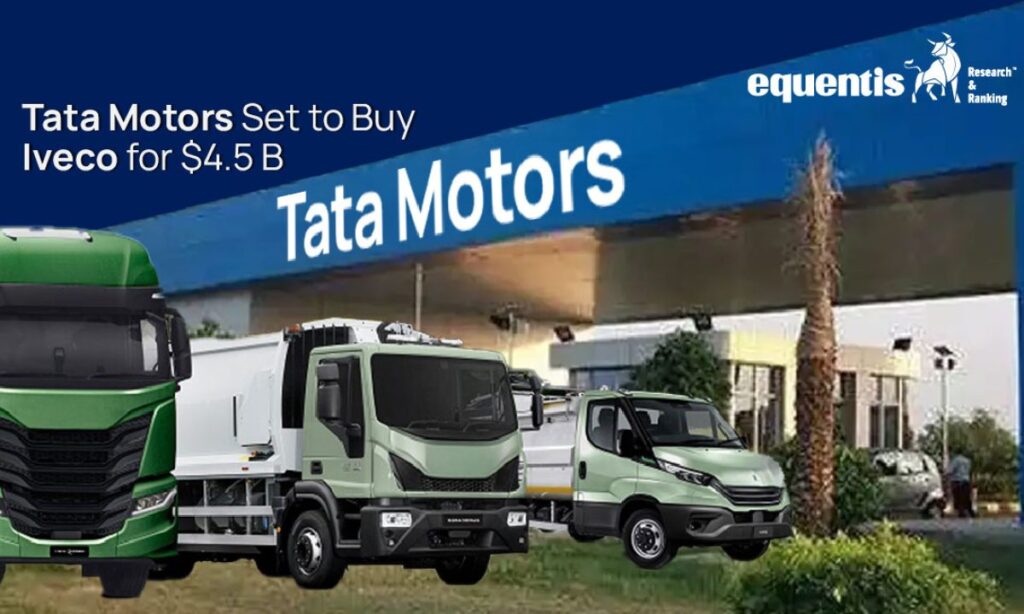
How Tata Motors and Iveco are Changing the Future of Commercial Vehicles
The strategic alliance between Tata Motors and Iveco is more than a business decision—it’s a powerful collaboration poised to transform the global commercial vehicle sector. By combining Tata’s market reach and manufacturing expertise with Iveco’s advanced technologies and European engineering, this partnership is already reshaping how the world approaches transport, sustainability, and logistics.
Tata Motors: India’s Automotive Giant with Global Ambitions
Tata Motors is a leading global automobile manufacturer, known for producing passenger cars, trucks, vans, buses, and defense vehicles. Headquartered in Mumbai, India, Tata Motors is part of the Tata Group and has consistently pushed the envelope in both domestic and international markets.
Key Strengths of Tata Motors:
- Dominant player in the Indian CV (commercial vehicle) market
- Pioneering EV technology and sustainable mobility
- Strong distribution networks in Asia and Africa
- Experience in low-cost, high-durability engineering
Iveco: European Leader in Heavy-Duty and Eco-Friendly Vehicles
Iveco, a part of CNH Industrial, is an Italian brand with a legacy of designing, manufacturing, and distributing light, medium, and heavy commercial vehicles. The company is well-known for its commitment to innovation in natural gas, electric, and hydrogen-powered trucks.
Iveco’s Core Competencies:
- Advanced powertrain development including Euro 7 compliance
- Strong presence across Europe and Latin America
- Leadership in natural gas and hydrogen propulsion
- Premium commercial truck manufacturing and export
Timeline of the Tata Motors-Iveco Collaboration
The Tata-Iveco relationship has evolved from early component sharing and co-development to a formalized partnership with long-term goals in green mobility, commercial vehicle production, and international expansion.
Key Milestones:
- Early 2000s: Tata and Iveco collaborate on engine tech
- 2022: Renewed interest in joint product development
- 2024: Co-launch of EV truck platform for urban transport
- 2025: Joint R&D initiatives in hydrogen fuel and autonomous tech
Product Innovation: Tata-Iveco Joint Electric and Hydrogen Trucks
One of the most exciting outcomes of this alliance is the co-development of electric trucks and hydrogen-powered long-haul vehicles. These vehicles are engineered to meet regional regulations while offering sustainability, efficiency, and digital intelligence.
Tata-Iveco e-Truck Lineup:
| Model Name | Fuel Type | Range | Features |
| e-Tata Cargo 12 | Electric | 300 km | Telematics, Smart Load Management |
| Iveco H2 Maxx | Hydrogen | 800 km | Long Haul, Zero Emissions |
| Tata-Iveco UrbanGo | Electric | 180 km | Last-Mile Delivery |
These vehicles cater to logistics, delivery, and public transportation sectors across Asia, Europe, and the Middle East.
Global Expansion: Market Strategy of Tata and Iveco
Together, Tata and Iveco are penetrating new markets by leveraging each other’s strengths.
Combined Market Goals:
- India and Southeast Asia: Tata leads production and pricing strategies
- Europe: Iveco manages regulatory alignment and customer experience
- Africa and Latin America: Dual-branded vehicles are tailored for local needs
- Middle East: Joint ventures target fleet modernization projects
This global approach allows both companies to scale faster, optimize supply chains, and deliver vehicles that meet local expectations.
R&D and Technology Transfer: A Backbone of the Partnership
A core element of the alliance is technology sharing, especially around powertrain development, autonomous features, and AI-driven vehicle diagnostics.
Key Areas of R&D Collaboration:
- Modular EV and hydrogen platforms
- Smart navigation and route optimization software
- ADAS (Advanced Driver Assistance Systems)
- Autonomous trucking prototypes for controlled environments
Their joint R&D hub in Pune, India, is expected to become one of the most advanced commercial vehicle innovation centers globally.
Impact on the Commercial Vehicle Industry
This partnership is setting new standards for competition. Global truck manufacturers are now accelerating innovation timelines, adjusting pricing strategies, and investing in electric infrastructure to keep pace.
Responses from Competitors:
- Volvo and Daimler pushing EV truck ranges beyond 1000 km
- BYD expanding its electric bus and truck offerings in India
- Ashok Leyland boosting hydrogen engine R&D in Chennai
The Tata-Iveco alliance is being watched closely for its disruptive potential.
Challenges and Risk Factors
While the partnership is strategic and promising, it does face obstacles:
- Geopolitical tensions impacting international supply chains
- Component shortages in semiconductors and EV batteries
- Cost escalations due to currency fluctuations and raw materials
- Complex regulatory frameworks across target markets
Both companies must remain agile and proactive to overcome these challenges and maintain momentum.
The Future of Tata Motors and Iveco
By 2030, industry analysts forecast that Tata and Iveco will co-lead in electric commercial vehicles in developing regions, while also playing a major role in shaping global emissions policies through sustainable transport solutions.
What’s Coming Next:
- Autonomous vehicle trials on European highways
- Launch of smart fleet management systems powered by AI
- Subscription-based vehicle ownership models for logistics firms
- Expansion of EV charging and hydrogen refueling infrastructure
Their shared mission: to decarbonize commercial mobility and lead the next phase of transportation evolution.
Frequently Asked Questions (FAQs)
1. What is the focus of the Tata-Iveco partnership?
The focus is on co-developing electric and hydrogen-powered commercial vehicles and expanding into new international markets through combined expertise.
2. Are there any co-branded vehicles available now?
Yes, the e-Tata Cargo and Iveco H2 Maxx are two examples of vehicles that are co-developed and marketed under the alliance.
3. How does this partnership benefit Tata Motors?
It gives Tata access to European technology and regulatory compliance expertise, boosting its competitive position globally.
4. How does Iveco benefit from this deal?
Iveco gains access to low-cost manufacturing and emerging markets in Asia and Africa where Tata has strong distribution networks.
5. What kind of technologies are being shared?
Electric drivetrain technology, hydrogen engines, modular chassis platforms, ADAS systems, and smart fleet telematics.
6. Will this alliance affect the pricing of commercial vehicles?
Yes, co-developed vehicles are expected to be more affordable due to shared R&D and manufacturing optimization.
Conclusion: A Strategic Alliance That Will Shape the Future of Mobility
The Tata Motors and Iveco alliance is more than just a partnership; it’s a blueprint for how legacy manufacturers can collaborate to meet 21st-century challenges. With a sharp focus on sustainability, smart technology, and global reach, this collaboration is bound to lead the way in the evolution of commercial transportation.