Breathing Techniques to Improve Endurance
Breathing isn’t just automatic—it can be optimized to improve performance and endurance. Many athletes overlook this, but it’s crucial.
. Breathing Techniques to Improve Endurance
Breathing isn’t just automatic—it can be optimized to improve performance and endurance. Many athletes overlook this, but it’s crucial.
Nasal Breathing:
Breathing through the nose during low to moderate-intensity workouts helps:
- Regulate oxygen intake
- Improve CO₂ tolerance
- Enhance mental focus
Box Breathing for Mental Control:
Used by Navy SEALs and elite athletes, box breathing helps calm your nervous system before or during workouts.
How to practice:
- Inhale for 4 seconds
- Hold for 4 seconds
- Exhale for 4 seconds
- Hold for 4 seconds
Repeat for 1–2 minutes pre-exercise.
Belly (Diaphragmatic) Breathing:
Instead of shallow chest breathing, engage your diaphragm. This allows deeper breaths and improves oxygen efficiency—crucial for long workouts.
12. Supplements That May Support Endurance Building
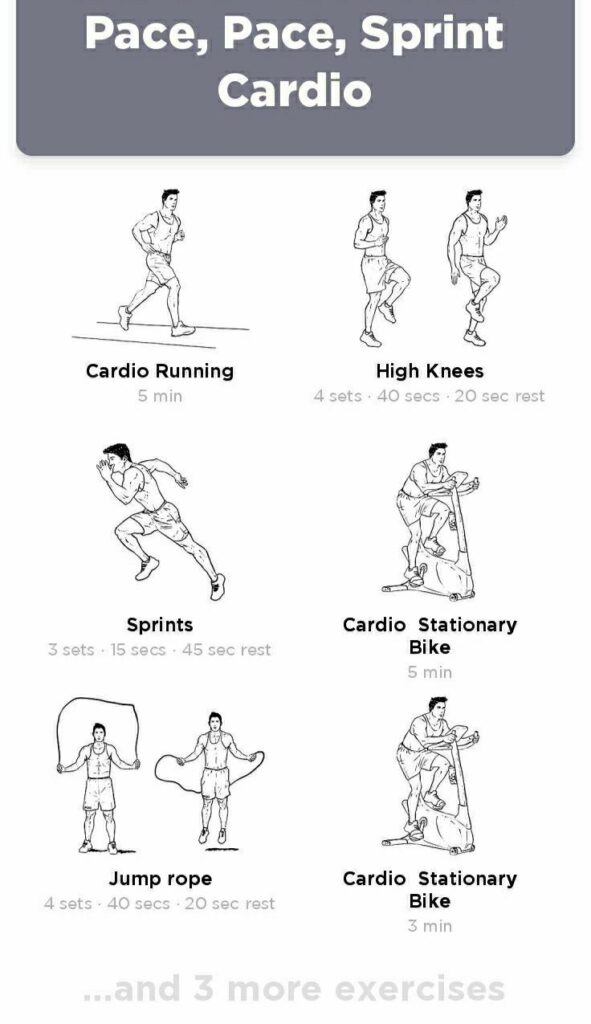
While supplements aren’t essential, some can support your energy, recovery, and performance—especially if your diet is lacking.
Top Supplements for Endurance:
- Electrolytes: Prevent cramping and improve hydration
- Caffeine: Boosts stamina and mental alertness (best 30–60 minutes pre-workout)
- Beetroot Juice: High in nitrates, improves oxygen delivery
- BCAAs: May reduce muscle fatigue and soreness
- Beta-Alanine: Buffers lactic acid for high-intensity efforts
- Creatine: Though known for strength, it also helps with short bursts in endurance sports
- L-Citrulline Malate: Enhances blood flow and exercise capacity
Important: Always consult your doctor before starting any supplement, especially if you have underlying conditions.
13. The Role of Hydration in Endurance Performance
Dehydration can wreck your endurance faster than anything else. Even a 2% drop in body weight due to fluid loss can impair performance.
Hydration Tips:
- Drink 16–20 oz of water 2 hours before training
- Sip water every 15–20 minutes during workouts
- For long sessions (60+ mins), add electrolytes
- Avoid sugary drinks that can cause crashes
- Check urine color—pale yellow is ideal
14. Sleep: The Secret Weapon for Better Endurance
Your body recovers and adapts during sleep. If you’re sleep-deprived, endurance training becomes ineffective—even counterproductive.
How to Optimize Sleep for Performance:
- Stick to a consistent sleep schedule
- Avoid screens an hour before bed
- Use blackout curtains or eye masks
- Keep the room cool and quiet
- Avoid caffeine after 3 PM
Aim for 7–9 hours per night—non-negotiable for serious training.
15. Sport-Specific Endurance Training Tips
Let’s look at how to tailor endurance training for popular sports and goals:
Running:
- Focus on long, slow distance runs (LSD)
- Add tempo runs 1–2x per week
- Use hill sprints for leg endurance and strength
- Mix road, treadmill, and trail surfaces
Cycling:
- Do endurance rides (2–3 hours at moderate pace)
- Include short hill climbs and sprint intervals
- Focus on cadence control (90+ RPM)
- Cross-train with leg strength work
Swimming:
- Alternate between endurance laps and short sprints
- Focus on stroke efficiency
- Dry-land training for core and shoulders
- Incorporate breathing drills and tempo sets
HIIT Training (CrossFit, Bootcamp, etc.):
- Mix time-under-tension sets (lighter weight, more reps)
- Cycle upper/lower body stations
- Use EMOMs (Every Minute on the Minute) or AMRAPs
- Focus on efficient transitions and minimal rest
16. Sample 7-Day Endurance-Building Workout Plan
Here’s a weekly schedule that combines cardio, strength, and recovery for full-spectrum endurance:
| Day | Workout | Focus |
| Mon | 30 min Zone 2 run + 15 min core | Aerobic base + core strength |
| Tue | Full-body circuit (3 rounds, 15 reps) | Muscular endurance |
| Wed | 45 min cycling (moderate pace) | Cardiovascular endurance |
| Thu | Bodyweight HIIT (20 min) | Anaerobic threshold |
| Fri | Strength training (moderate load, high reps) | Muscle stamina |
| Sat | Long run or swim (60+ mins) | Aerobic endurance |
| Sun | Active recovery (yoga, walk) | Flexibility + recovery |
Modify the plan based on your sport and level. Beginners should rest more; advanced athletes can increase duration.
17. Nutrition Strategy for Different Endurance Goals
Your nutrition approach should depend on your fitness goal:
For Fat Loss:
- Slight calorie deficit
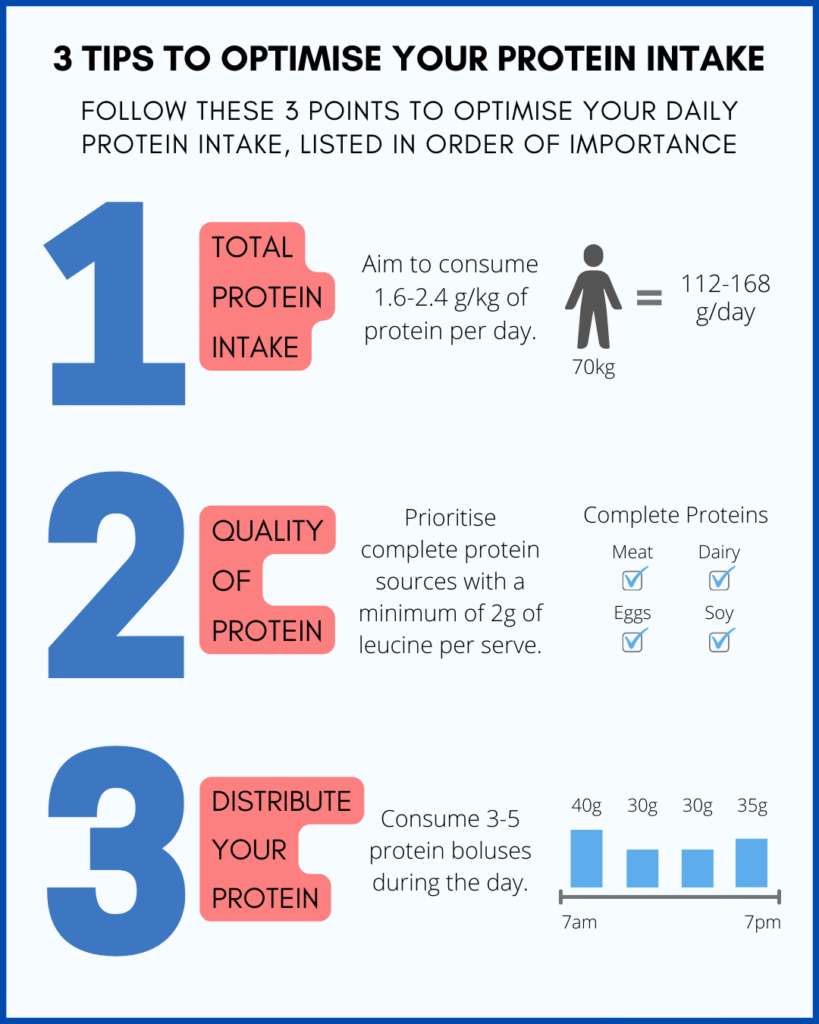
- High protein (1.6–2.2g/kg)
- Carbs around workouts only
- Hydrate aggressively
- Use fiber-rich foods to stay full
For Performance:
- Balanced macros: 50% carbs, 25% protein, 25% fats
- Carb load before long sessions
- Refuel within 30 mins post-workout
- Prioritize complex carbs: sweet potatoes, oats, fruits
For Endurance Events (like marathons):
- Practice fueling during training
- Eat 3–4 hours before race
- Use energy gels, bars, or bananas during events
- Replenish with electrolytes and protein after
18. Common Mistakes That Kill Endurance Gains
Avoid these pitfalls:
- Overtraining: Leads to fatigue, injury, and hormone imbalance
- Skipping rest days: No rest = no growth
- Neglecting strength training: Weak muscles limit performance
- Undereating or cutting carbs: You’ll burn out fast
- Focusing only on one cardio type: Cross-training builds better all-round capacity
- Ignoring mental training: Your mindset drives endurance
19. Endurance for Beginners vs. Advanced Athletes
Beginners Should:
- Start slow with 2–3 days of low-impact cardio
- Focus on proper form and consistency
- Celebrate small milestones
- Take 2+ rest days each week
Advanced Athletes Should:
- Periodize their training (base → build → peak → recovery)
- Track HRV (Heart Rate Variability)
- Use power meters, lactate testing, or VO2 tracking
- Include competition simulations
20. Motivation Tips to Stick With Endurance Training
- Join a running or cycling group
- Track your progress visually (calendars, charts)
- Set events (5k, triathlon, hike) as goals
- Listen to music or podcasts
- Celebrate weekly wins, not just final goals
- Keep a training journal for reflection
Endurance Is Built, Not Born
Endurance isn’t just about long workouts—it’s about smart strategy, consistency, and self-awareness. Whether you’re a runner, swimmer, hiker, or just someone wanting more energy and stamina, the tools are now in your hands.
From breathing techniques to advanced periodization, from nutrition plans to mental hacks, building endurance is a lifestyle. Start small, stay consistent, and trust the process.
You don’t need to be the fastest.
You just need to never stop showing up.
FAQs (Extended)
What heart rate should I aim for to build endurance?
Aim for 60–75% of your max heart rate (Zone 2). It’s the sweet spot for fat burning and aerobic development.
Is it OK to combine strength and endurance training?
Yes. It improves results. Just space sessions out and adjust intensity to avoid overtraining.
How much water should I drink per day when training endurance?
At least 3–4 liters/day, more if you sweat heavily or train in heat.
Can I build endurance at home without a gym?
Absolutely. Use bodyweight workouts, stair climbing, jump rope, and outdoor cardio like running or cycling.