How to Build Endurance: A Step-by-Step Framework
Now, let’s get practical. Here’s a proven method to build endurance naturally
1. Start With a Baseline Fitness Assessment
Before you build endurance, know where you’re starting. Assess your:
- Resting heart rate
- VO2 max (if possible)
- Time-to-fatigue in cardio workouts
- Max reps in bodyweight exercises
Write down your baseline stats. This will help you track progress and adjust your program.
2. Follow a Progressive Overload Plan
Progressive overload means gradually increasing the intensity, volume, or duration of your workouts. Whether you’re running or weightlifting, your body must be challenged consistently.
For Cardio:
- Increase time by 5–10% weekly
- Vary terrain (flat to hills)
- Add intervals or tempo runs
For Strength:
- Increase reps or reduce rest between sets
- Add more sets
- Use resistance bands or light weights
Slow, incremental progress beats burnout or injury.
3. Mix Low, Moderate, and High-Intensity Workouts
Diversity in your training builds better endurance.
Low-intensity (Zone 2 cardio):
60–70% of max heart rate. Long, easy jogs, brisk walking, or cycling.
Moderate-intensity:
Tempo runs, aerobic circuits, dancing.
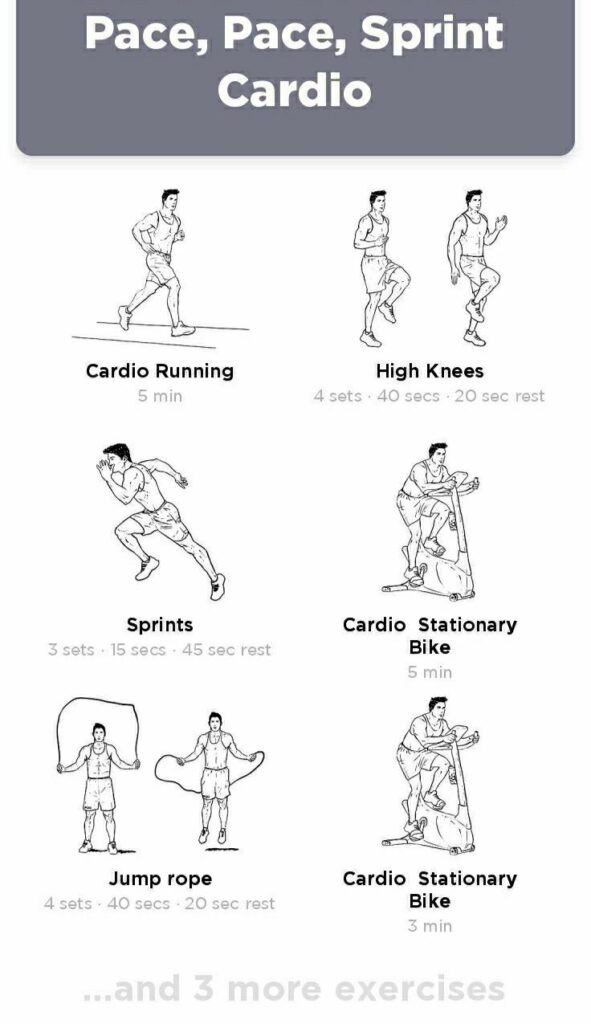
High-intensity (HIIT):
Short, intense bursts followed by rest. Improves VO2 max and stamina fast.
Balance all three throughout your week to hit both aerobic and anaerobic systems.
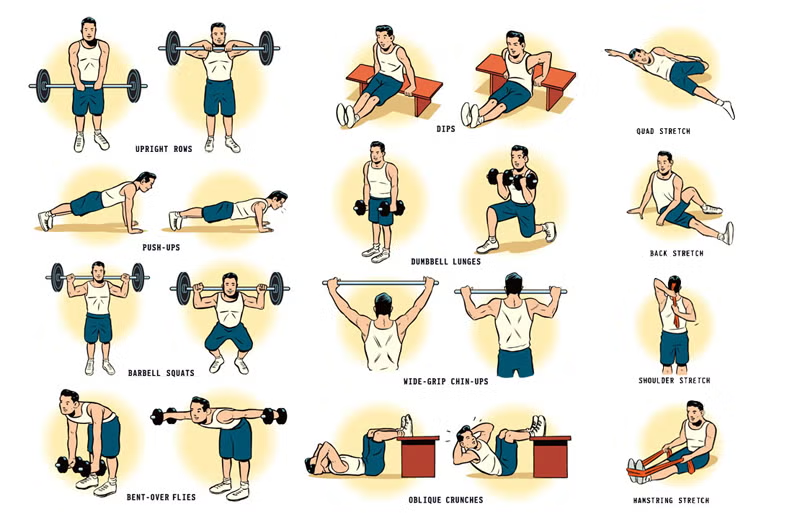
4. Add Resistance Training for Muscular Endurance
Many overlook strength training in endurance development. But it’s essential. Use:
- High-rep bodyweight circuits
- Resistance bands
- Light to moderate weights with more reps (12–20 reps)
Exercises like squats, lunges, push-ups, and planks improve stability and reduce fatigue during long workouts.
5. Fuel Your Body for Performance
Endurance training requires energy—and that means eating right.
Carbohydrates:
Primary fuel for aerobic activity. Include fruits, whole grains, and starchy vegetables.
Proteins:
Support muscle repair and endurance recovery. Lean meats, legumes, and dairy are great.
Fats:
Help with long-term energy. Avocados, nuts, seeds, and olive oil are ideal.
Also:
- Stay hydrated before, during, and after workouts
- Consider electrolytes for long training sessions
- Time your meals 1–2 hours before endurance workouts
6. Improve Your Recovery Routine
Rest is when your body adapts and grows stronger.
- Get 7–9 hours of sleep per night
- Include active recovery days with walking or yoga
- Use tools like foam rollers and massage guns
- Take one complete rest day per week
Overtraining decreases endurance and increases injury risk.
7. Monitor and Track Your Progress
Use tools like:
- Fitness watches (Garmin, Polar, Apple Watch)
- Strava or Nike Run Club
- Journals or spreadsheets
Track heart rate, workout times, distances, and how you feel. Adjust your plan based on your data.
8. Train Your Mind, Not Just Your Body
Endurance is mental as much as physical.
- Practice mental visualization
- Use positive self-talk
- Break long workouts into smaller goals
- Meditate or breathe deeply before intense sessions
The mind gives up before the body does. Train it accordingly.
9. Use Cross-Training to Stay Balanced
Cross-training prevents burnout and builds total body endurance.
- Swim once a week
- Bike on recovery days
- Add rowing or stair climbing
- Try dance or kickboxing for fun and variety
This also reduces injury risk by not overloading one joint or muscle group.
10. Be Consistent and Patient
There’s no magic workout. The secret to endurance is consistency.
- Stick to your plan at least 4–5 days per week
- Don’t compare your journey with others
- Celebrate small wins: longer runs, more reps, lower heart rates
Building endurance takes time, but the rewards are worth it.
FAQs About Building Endurance
How long does it take to build endurance?
Most people see noticeable improvement in 3–6 weeks with consistent training.
Can I build endurance without running?
Yes. Cycling, swimming, brisk walking, and rowing all build endurance effectively.
Do I need supplements?
Not necessarily. Whole foods work well. But athletes may benefit from protein powders, electrolytes, or BCAAs.
Should I train every day?
No. Rest is essential. Train 4–6 days a week and take at least one day off.
How can I build endurance fast?
Combine interval training with proper diet and rest. Increase duration gradually, not drastically.
Is cardio or strength training better for endurance?
Both are important. Cardio builds aerobic capacity, and strength training supports muscular endurance.
Your Endurance Journey Starts Now
Endurance isn’t something you’re born with—it’s something you build through effort and smart choices. Whether you’re aiming to run a marathon, improve daily energy, or simply get healthier, this guide gives you the tools you need.